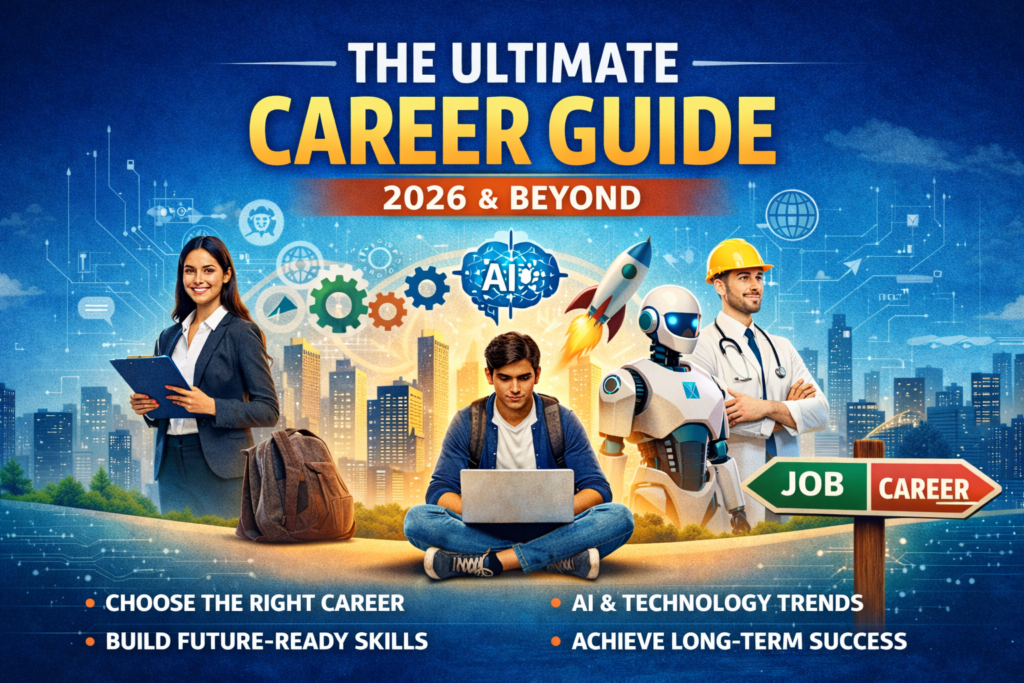
In today’s rapidly evolving world, career planning is no longer just about choosing a degree. It is about building future-ready skills, understanding your strengths, and adapting to industry changes driven by Artificial Intelligence and digital transformation.
Whether you are a student, parent, or educator, this complete career guide will help you make informed and strategic decisions.
Why Career Planning is More Important Than Ever
The job market in 2026 is skill-driven, technology-powered, and constantly evolving. Traditional career paths are shifting. Automation is changing industries. Employers now hire based on skills, adaptability, and problem-solving ability, not just marks or degrees.
Career planning today requires:
- Self-awareness
- Skill mapping
- AI literacy
- Practical exposure
- Continuous learning
Students who start early gain a competitive advantage.
Step 1: Understand Yourself Before Choosing a Career
Many students choose careers based on peer pressure, parental expectations, or societal trends. However, the right career begins with self-discovery.
Ask yourself:
- What subjects do I enjoy?
- What are my strengths?
- What type of work environment suits me?
- Do I prefer working with people, data, ideas, or hands-on tasks?
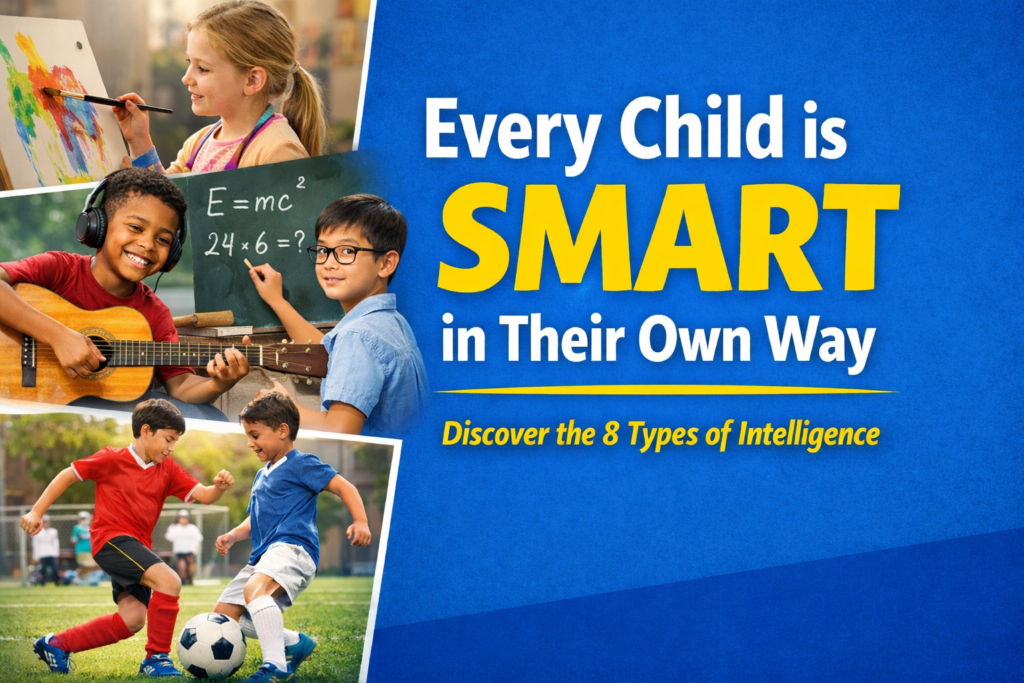
The theory of Multiple Intelligences introduced by Howard Gardner explains that intelligence is not one-dimensional. Some students are linguistically strong, others are logical thinkers, while some excel in interpersonal or spatial abilities.
In early Stage Understanding your intelligence type can bring clarity to career decisions.
Step 2: Explore Career Options & Industry Trends
Before finalizing a career path, research:
- Industry growth potential
- Salary trends
- Required qualifications
- Emerging technologies
- Future scope
Some high-demand career areas in 2026 include:
- Artificial Intelligence & Data Analytics
- Healthcare & Allied Health Sciences
- Cybersecurity
- Digital Marketing
- Compliance & Risk Management
- Renewable Energy
- UX/UI Design
Career awareness reduces confusion and builds confidence.
Step 3: Build Future-Ready Skills (The Skills That Matter in 2026)
Degrees open doors. Skills build careers.
Here are the top career skills for the future:
- 1. AI Literacy
- Understanding how AI tools work, how to use them responsibly, and how to integrate them into your field is now essential.
- 2. Critical Thinking & Problem Solving
- Companies need professionals who can analyze challenges and propose solutions.
- 3. Communication & Public Speaking
- Clear communication increases leadership potential and workplace influence.
- 4. Stakeholder Management
- Handling clients, teams, and management effectively requires emotional intelligence and negotiation skills.
- 5. Adaptability & Continuous Learning
- The most successful professionals constantly upgrade themselves.
- Future-proof careers belong to lifelong learners.
Step 4: Avoid These Resume Mistakes
Your resume is your personal marketing tool. Recruiters spend less than 30 seconds reviewing it.
Common mistakes to avoid:
- Writing generic objectives
- Listing responsibilities instead of achievements
- Including irrelevant information
- Poor formatting
- Spelling errors
Instead, focus on:
- Measurable achievements
- Internships and certifications
- Leadership initiatives
- Skill-based highlights
- Clean and professional design
A powerful resume communicates value quickly and clearly.
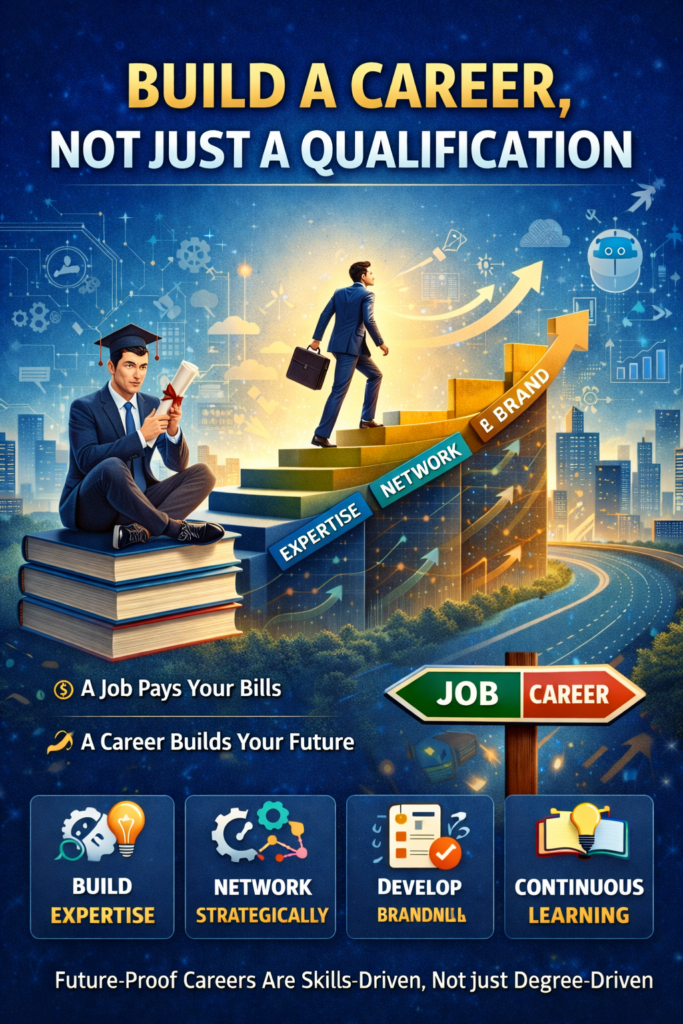
Career vs Job: Know the Difference
A job helps you earn.
A career helps you grow.
A job is short-term survival.
A career is long-term vision.
Students must focus on:
- Building expertise
- Creating a strong LinkedIn presence
- Networking strategically
- Gaining practical exposure
- Developing personal branding
Think long-term, not just immediate income.
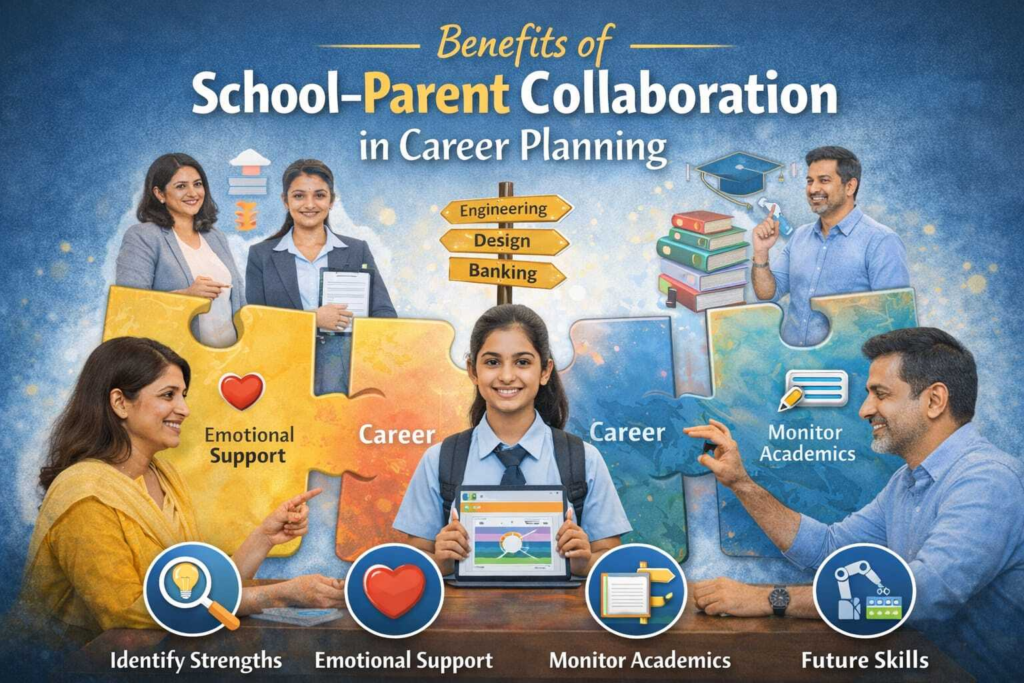
The Role of Parents & Teachers in Career Decision-Making
Parents and educators influence career decisions significantly. Instead of imposing choices, they should:
- Encourage exploration
- Recognize strengths
- Avoid comparison
- Promote skill development
- Support informed decision-making
When students feel supported rather than pressured, they perform better and make confident choices.
Why AI Literacy is No Longer Optional
Artificial Intelligence is transforming industries including healthcare, finance, education, marketing, and law. AI does not replace jobs — it replaces repetitive tasks.
Professionals who combine domain knowledge with AI skills will lead the future workforce.
Students must:
- Learn AI basics
- Use AI tools ethically
- Understand automation trends
- Develop human-centric skills (creativity, empathy, leadership)
The future belongs to individuals who collaborate with technology.
Finally Build a Career, Not Just a Qualification
Career success in 2026 and beyond depends on:
- ✔ Self-awareness
- ✔ Skill development
- ✔ AI literacy
- ✔ Adaptability
- ✔ Strategic planning
- ✔ Continuous learning
Marks may get you admission.
Skills will get you opportunities.
Mindset will determine your success.
Start early. Stay curious. Keep upgrading.
–Philomena Dsouza
About us
“Unlock your dream career with Draw My Career! Our AI-powered platform, personalised report, and expert counselling, combined with lifelong support, help you discover your passion, stay focused on your goals, and achieve success. We personalisedhave positively impacted over 3,000 students in and around Mangalore, receiving overwhelmingly positive feedback. For expert guidance, Take the first step towards a brighter future and let us guide you to write your own success story.”
Visit: www.drawmycareer.com