![[4:05 pm, 12/03/2026] OG Epic: Mangalore's most trusted career guidance platform, Draw My Career, is coming up with flagship event, Career Clinic. With a comprehensive career awareness session, AI-powered career assessment, one-on-one career counselling and lifelong support, we will help you solve the mystery of career and you can choose the right career. This Saturday 10 a.m. at Kadri, Mangalore [4:05 pm, 12/03/2026] OG Epic: With the uproar of AI everywhere, it is very critical to choose the right career. So many people are losing jobs, so many jobs are getting redundant, and World Economic Forum says 92 million current jobs will be lost by 2030. This is the right time where we should think about right career. Are you thinking of solution for this? You want a trusted partner in your career journey? That is where Draw My Career brings in a unique career awareness webinar, this Saturday 7 p.m. We can interact lively, will help you solve your mystery, and will help you take your career path to success. Do register right now](https://blog.drawmycareer.com/wp-content/uploads/2026/03/6930d1d7-f0de-4471-9594-57f7426e4a77-1024x683.png)
Choosing a career is one of the most important decisions in a person’s life. Yet many students select courses or professions based on trends, peer pressure, or parental expectations rather than understanding their own strengths and interests. This is where self-assessment becomes a powerful starting point in career planning.
Self-assessment helps individuals understand who they are, what they are good at, and what kind of career paths suit them best. When students take the time to evaluate their abilities, interests, personality, and values, they can make more informed and confident career decisions.
What is Self-Assessment in Career Planning?
Self-assessment is the process of evaluating one’s skills, interests, personality traits, values, and preferences to identify suitable career options.
Instead of randomly choosing a stream or course, self-assessment encourages students to ask questions such as:
- What subjects do I enjoy the most?
- What are my natural strengths?
- Do I prefer working with people, data, technology, or creativity?
- What type of work environment suits me?
By answering these questions honestly, students gain a clearer understanding of the career paths that align with their personal qualities.
Why Self-Assessment is Important for Career Planning
1. Helps Identify Strengths and Weaknesses
Every individual has unique abilities. Some students may excel in analytical thinking, while others may have strong communication or creative skills. Self-assessment helps students identify these strengths and choose careers that allow them to use them effectively.
For example, a student who enjoys problem-solving and mathematics may explore careers in engineering, data science, or finance, while someone who enjoys creativity may consider design, media, or architecture.
2. Helps Choose the Right Stream After 10th or 12th
Many students feel confused when choosing a stream such as Science, Commerce, or Arts after Class 10 or deciding a course after Class 12. Self-assessment helps them understand which stream aligns with their interests and aptitude.
When students choose a stream based on their strengths, they are more likely to perform well academically and enjoy their learning journey.
3. Increases Career Satisfaction
When people choose careers that match their interests and personality, they tend to experience greater job satisfaction and motivation. On the other hand, selecting a career only for salary or social status may lead to frustration and lack of interest over time.
Self-assessment helps ensure that the career path aligns with what truly motivates the individual.
4. Builds Confidence in Decision-Making
Career decisions can feel overwhelming for students and parents. Self-assessment provides structured insights that make decision-making easier. When students understand their capabilities, they feel more confident about the choices they make.
This confidence also helps them stay committed to their goals even when challenges arise.
5. Reduces Career Confusion
One of the biggest problems students face today is career confusion. With hundreds of courses and career options available, it is easy to feel lost.
Self-assessment narrows down options by identifying careers that match a student’s personality and strengths. This clarity makes career planning more focused and effective.
Tools Used for Self-Assessment
Students can use several tools and methods for self-assessment, including:
- Career aptitude tests
- Personality assessments
- Interest inventories
- Skill evaluations
- Guidance from career counselors
Professional career assessments combine psychology and data to provide reliable insights about suitable career paths.
*NOTE-TAKE THE ASSESSMENT THROUGH THIS LINK:www.drawmycareer.com
The Role of Career Counselors in Self-Assessment
While self-reflection is helpful, professional career counselors can guide students through structured assessments and interpret the results effectively.
Career counselors help students:
- Understand assessment reports
- Explore suitable career options
- Plan education pathways
- Set realistic career goals
This guidance ensures that students make well-informed career decisions rather than relying on guesswork.
Conclusion
Self-assessment is a crucial first step in effective career planning. It helps students understand their strengths, interests, personality, and values before choosing a career path. When students align their careers with their true potential, they are more likely to achieve success, satisfaction, and long-term growth.
In today’s competitive world, taking the time for self-assessment can make the difference between a confusing career journey and a purposeful one. By understanding themselves better, students can confidently move toward a future that truly fits them.
–Salwa Naz
About us
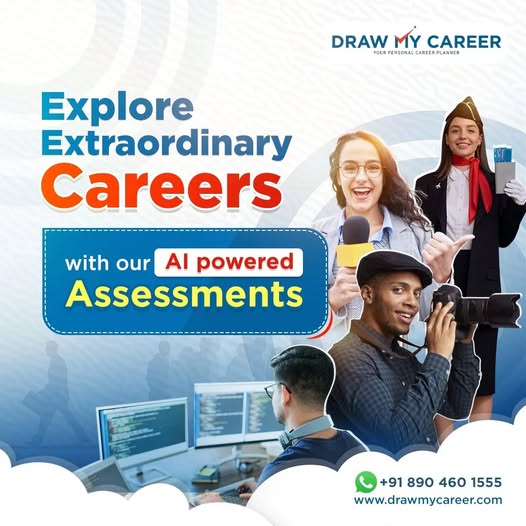
“Unlock your dream career with Draw My Career! Our AI-powered platform, personalized report, combined with expert counseling and lifelong support, helps you discover your passion, stay focused on your goals, and achieve success. We proudly claim to have positively impacted over 3,000 students in and around Mangalore, receiving overwhelmingly positive feedback. For expert career guidance,Take the first step towards a brighter future and let us guide you to write your own success story.”
Visit: www.drawmycareer.com